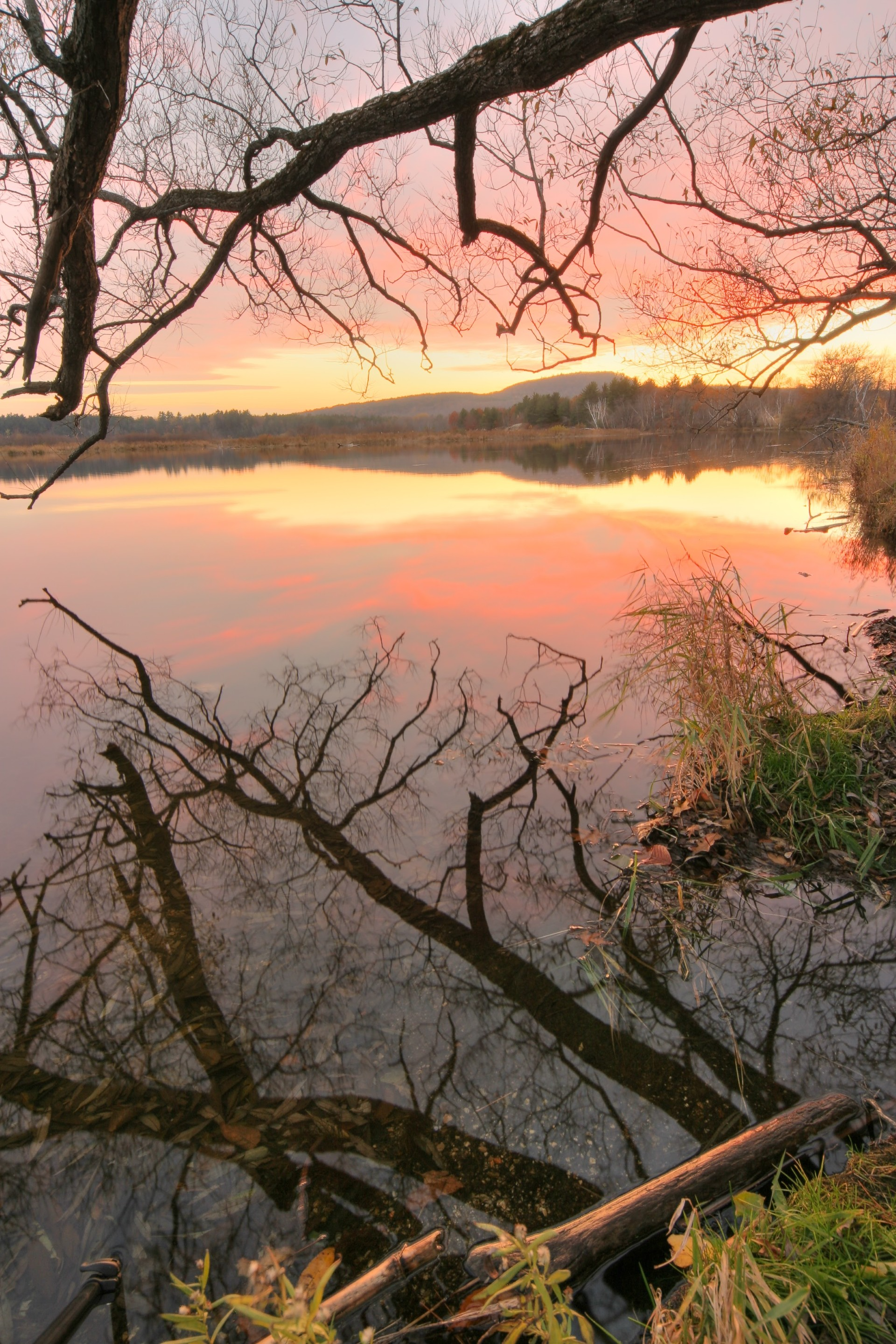
There was a heat wave in Vermont this past week. Roger Lambert sends photos of the rivers and lakes to cool people off. . i in the introduction Roger Lambert gives an introduction to the photos without captions.
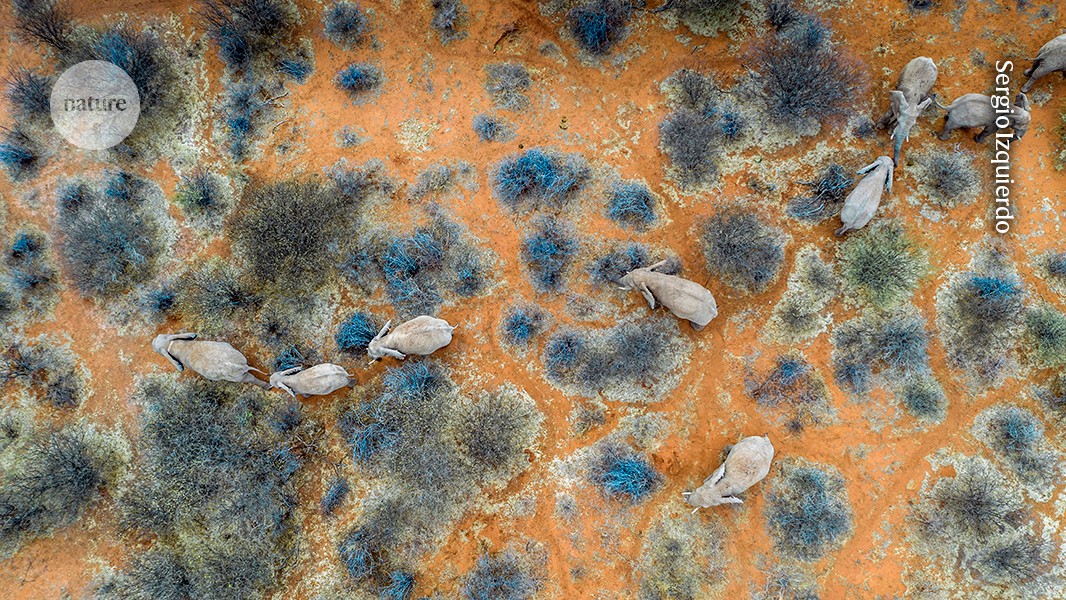
GPS data is revealing the relationships, resources, conflict zones, knowledge hubs, borders and landmarks that give all creatures a sense of place. Martin Wikelski is scaling up GPS tracking, aiming to follow potentially millions of animals worldwide. His international initiative, ICARUS, uses tiny tags and powerful receivers installed on shoebox-sized satellites called CubeSats.
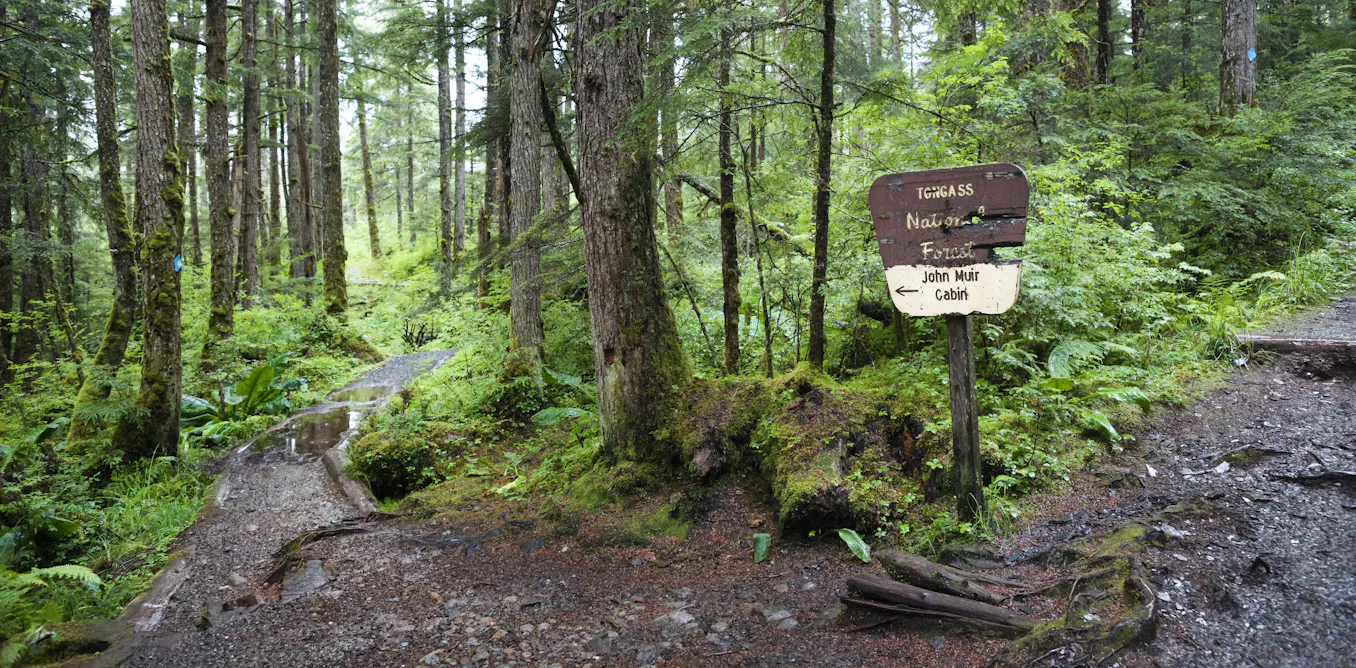
There are 4.2 million miles of public roads in the lower 48 states, but only 5% of them are designated roadless areas or wilderness. Trump administration proposes to rescind the Roadless Rule, which prohibits road construction, maintenance and commercial timber harvest in inventoried roadless area within the National Forest System. Congress is trying to change the law to remove the rule and prevent the Forest Service from reinstituting it in the future.

In Manhattan’s Union Square, mounted on a building home to a Best Buy and $8,000-a-month one-bedroom apartments, is a public art installation known as the Climate Clock. Between flashes of “Stop Fossil Fuels” and “Protect Earth,” the clock counts down until the world is committed irreversibly to 1.5 degrees Celsius of warming. Bill Gates, for whom climate change has long been a signature issue, published a memo last October in the lead-up to the U.N. Climate Change Conference in Brazil criticizing the “doomsday outlook” of the climate community. Even the European Union,
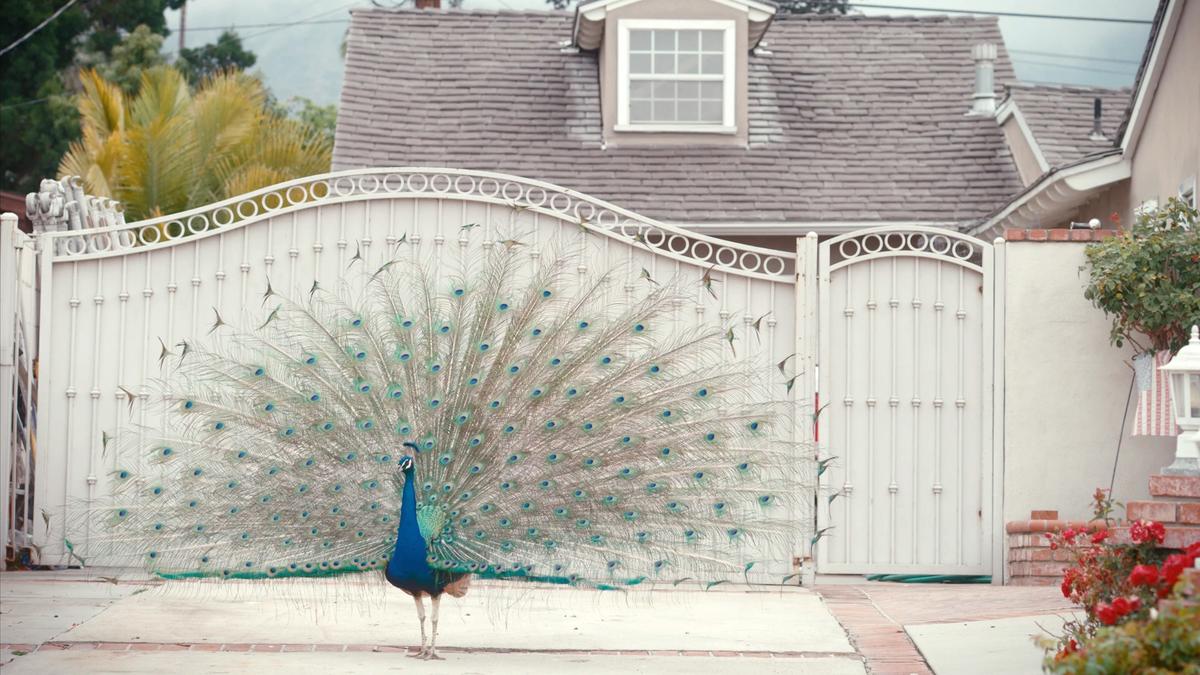
In Arcadia, California, peafowls were brought from India in the late 19th century. Today, hundreds of them roam the streets, splitting residents over how they should be managed. In Our Neighbors, The Peacocks, filmmaker Callie Barlow surveys the opinions of Arcadia residents.

In New Zealand, the proposed Tohorā Oranga Bill could recognize whales as legal persons. This push to obtain legal rights for whales is part of the ‘Rights of Nature’ movement. But weakened protections under the Endangered Species Act threaten the last 51 Rice whales in the Gulf of Mexico.

Açaí palm plantations are destroying habitats for both fruit- and insect-eating birds in the floodplain forests of the Amazon. A study found a 28% decline in bird species richness in Amazonian areas with high densities of açaí palms. Açaí exports from Brazil’s Pará state have surged by 885% in a decade.