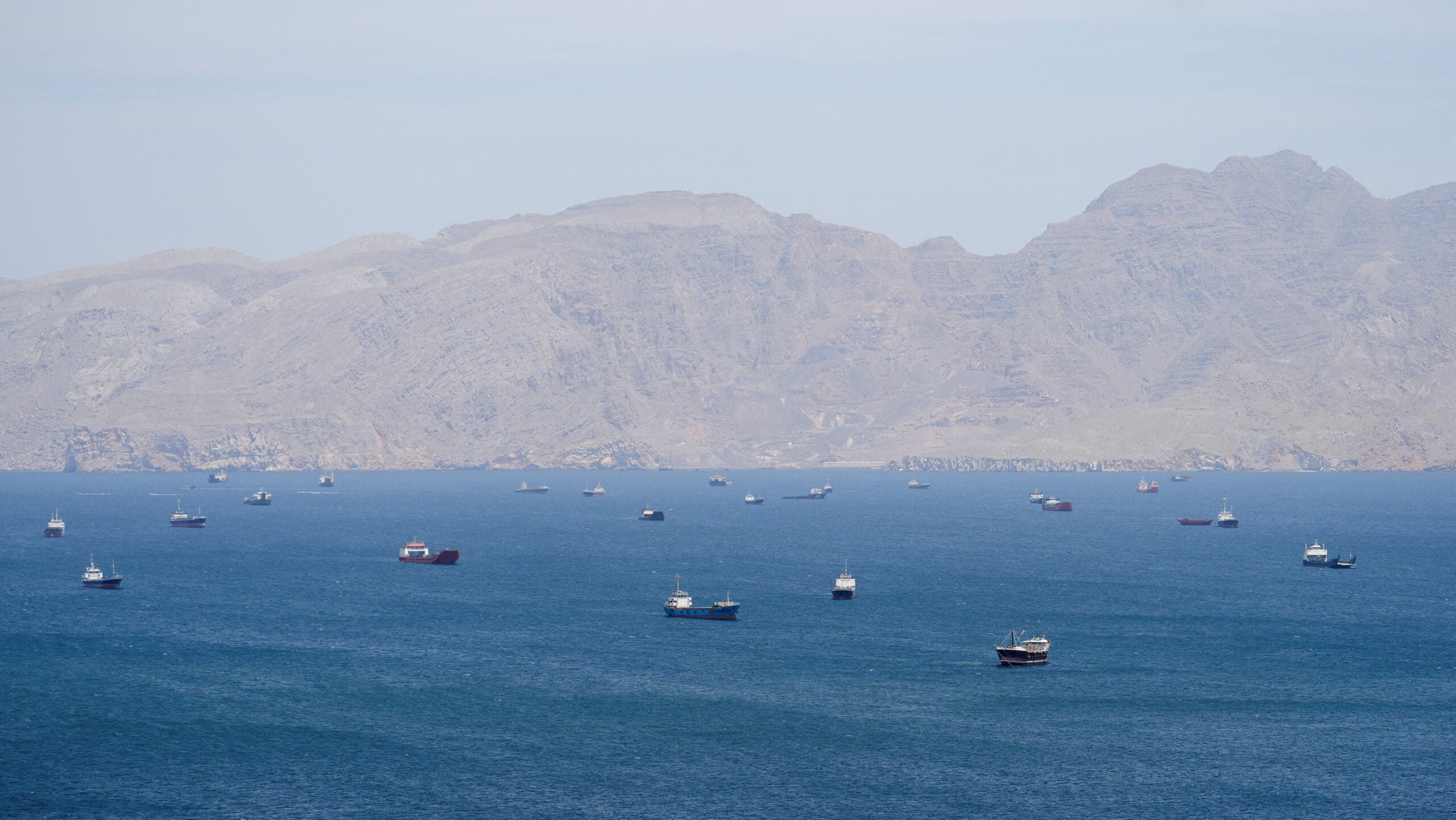
US-Iran deal to reopen Strait of Hormuz has been met with caution by shipowners and traders. They need more details in order to assess whether safe transits are possible after months of false starts. The disruption has upended the global energy trade, cutting off some of the world’s top producers.
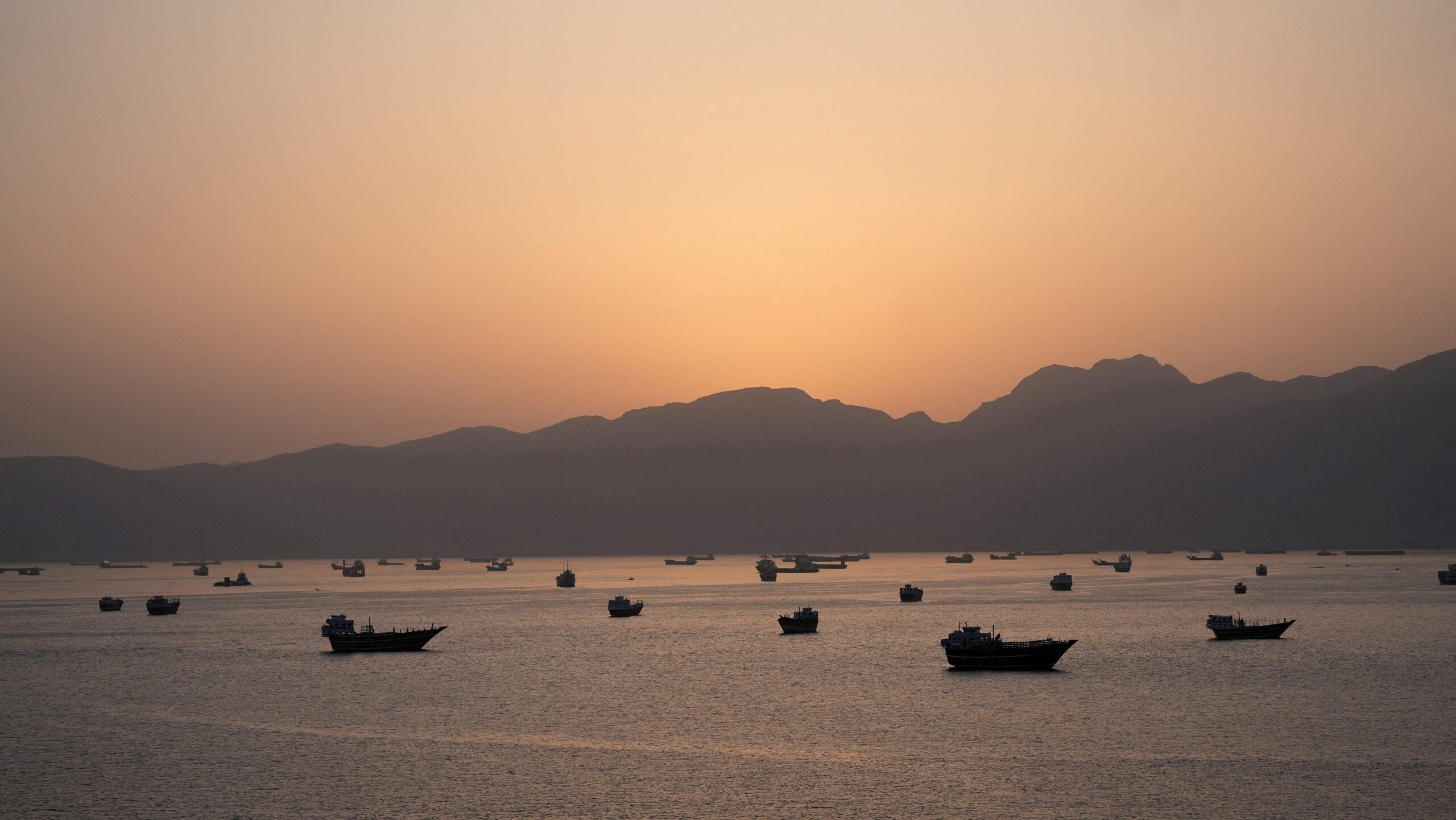
The interim agreement between US and Iran should reopen the Strait of Hormuz and restore oil and gas flows. Many buyers have already adapted to the disruption by securing alternative supplies and routes, so there will be no straightforward return to pre-war trade. The agreement "feels like it's forged on fairly shaky ground" and it's too early to rule out upside risks for oil prices.

President Trump announced on social media that a deal to end the war with Iran is "complete" Crude oil futures markets dropped 4%, after markets reopened for trading following the weekend break. Prices had already fallen significantly on Thursday and Friday in anticipation of a deal, bringing the per-barrel price of crude down 12% from where it had been in the middle of last week.
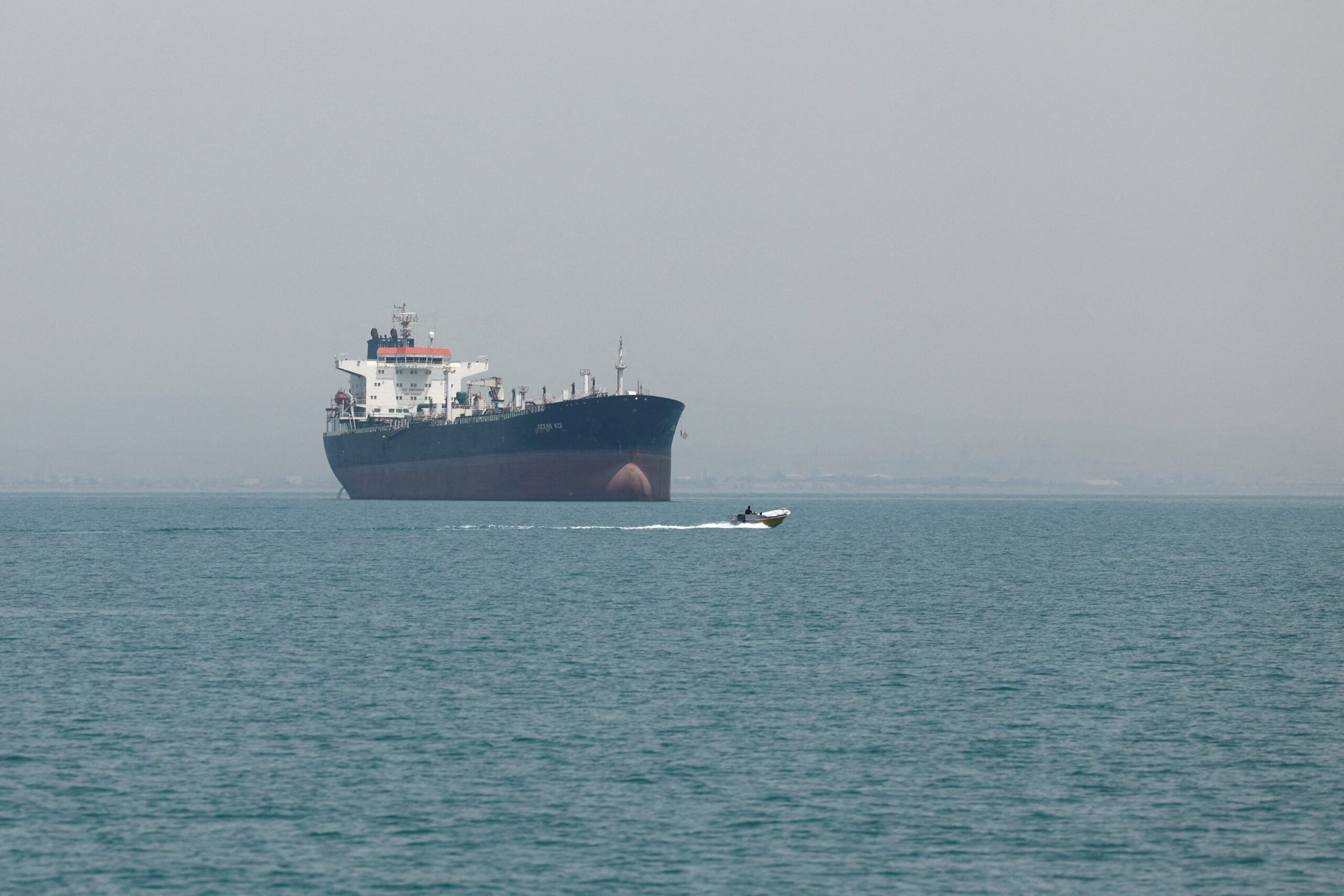
The U.S.-Iran agreement aimed at ending the conflict in and around the Strait of Hormuz remains unclear. Maritime security advisories issued Monday indicated that restrictions remain in place. BIMCO urges shipowners to continue conducting thorough risk assessments and called on all parties to prioritize the safety of seafarers.

There is an agreement to end the Iran war and open the Strait of Hormuz, but it will take time before energy companies can resume operations to meet the world's demand. Oil prices slipped early Monday after the deal was announced, but they are still well above the roughly $70 per barrel where they were trading before the war started.

Global oil prices have tumbled to a three-month low and stock markets rallied on Monday. The Dow Jones industrial average hit a new record high. The Russell 2000 index of small US companies rose by 1.5%. The price of Brent crude dropped 5% to below $83 (£62) a barrel as the new trading week began. Wholesale gas prices fell 6% in Europe.

Before the war, the Strait of Hormuz carried a fifth of the world's crude oil. It will take time for ships trapped in the Persian Gulf to exit through the narrow strait. Gulf oil producers that throttled back production will need time to get the oil moving again.
It will take months before energy companies can resume operations to meet the world's demand, according to energy experts. The slow pace of shipping and refining crude oil and doubts about the security of traveling through the Strait of Hormuz mean the effect won't be seen immediately. Oil prices slipped early Monday after the deal was announced.