President Trump announced he has struck a ceasefire with Iran and will work to restore oil transit through the Strait of Hormuz as of June 15, 2026. The bottleneck had been shut for weeks, inducing production curtailments in the Persian Gulf and large OECD draws of inventories. Tanker movements in the region won't pick up right away, with many industry players and analysts expecting it will take months to restart some field production and for tanker movements to return to normal.
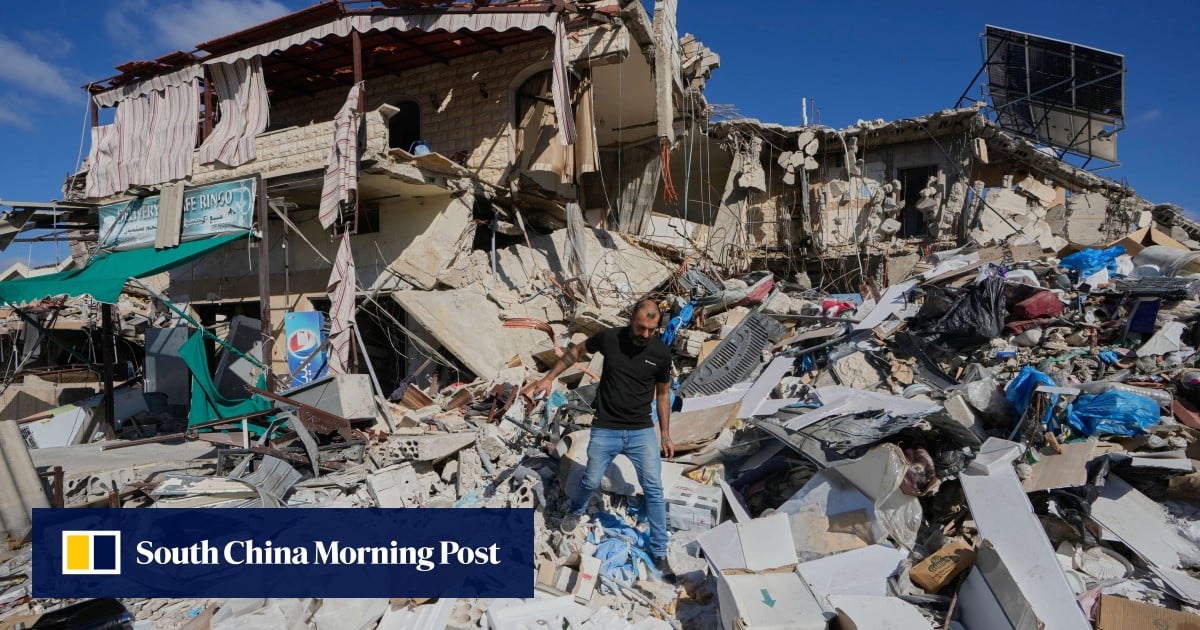
The US-Iran peace deal will be signed on Friday in Switzerland. It is intended to end more than three months of war in the Gulf, halt the US blockade of Iran and reopen one of the world's most important oil chokepoints. Strait of Hormuz carried about 20 million barrels per day of oil in 2024, equivalent to 20 per cent of global petroleum liquids consumption.
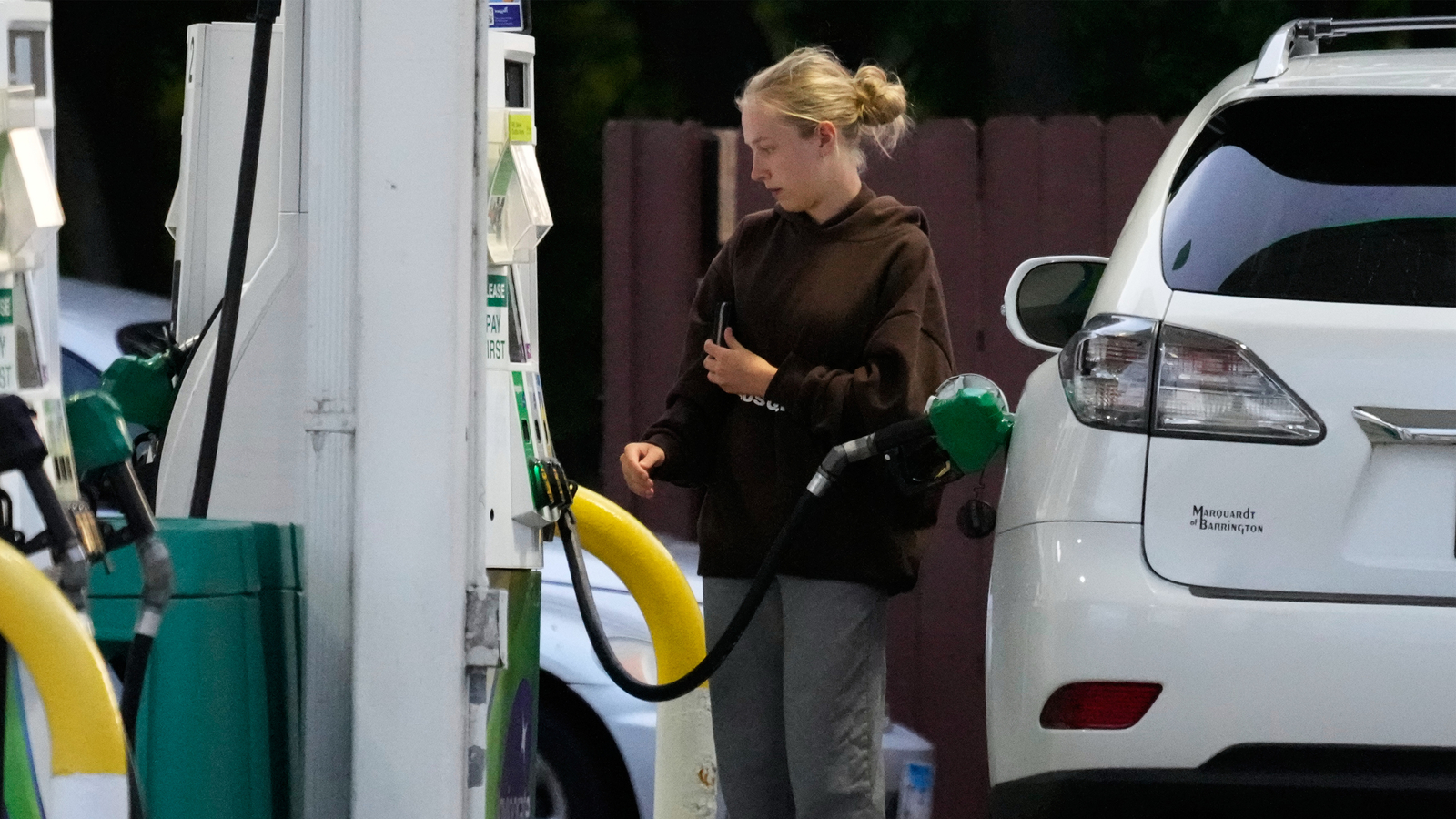
Futures for the S &P 500, Dow Jones Industrial Average, Nasdaq and Nasdaq futures are up on the news of a tentative deal on ending the Iran war and reopening the Strait of Hormuz. Oil prices fell close to $5 a barrel. It may take months for oil prices to stabilize after the disruptions from the war caused them to surge, pushing costs up for gasoline and many other products.