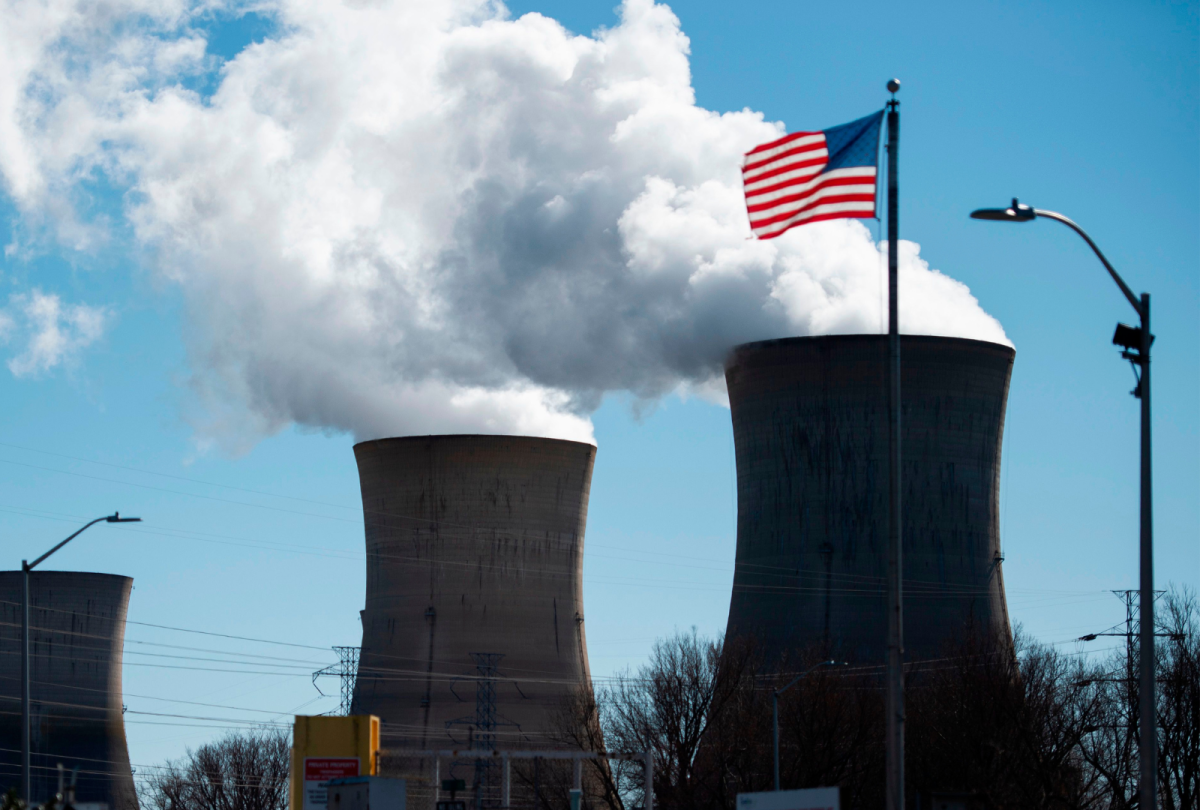
America's data centers consumed more electricity last year than Ohio uses in a year. The PJM grid, which covers 13 states and Washington, D.C., is at risk of supply shortages. To meet demand, America’s tech giants are turning to nuclear power, striking deals for steady, carbon-free electricity in what experts are calling a “nuclear renaissance” Microsoft and OpenAI have agreements to open power centers in Ohio. Google signed a corporate agreement with Kairos Power to purchase energy from a fleet of advanced SMRs. Amazon expanded its partnership agreement with Talen through 2042.
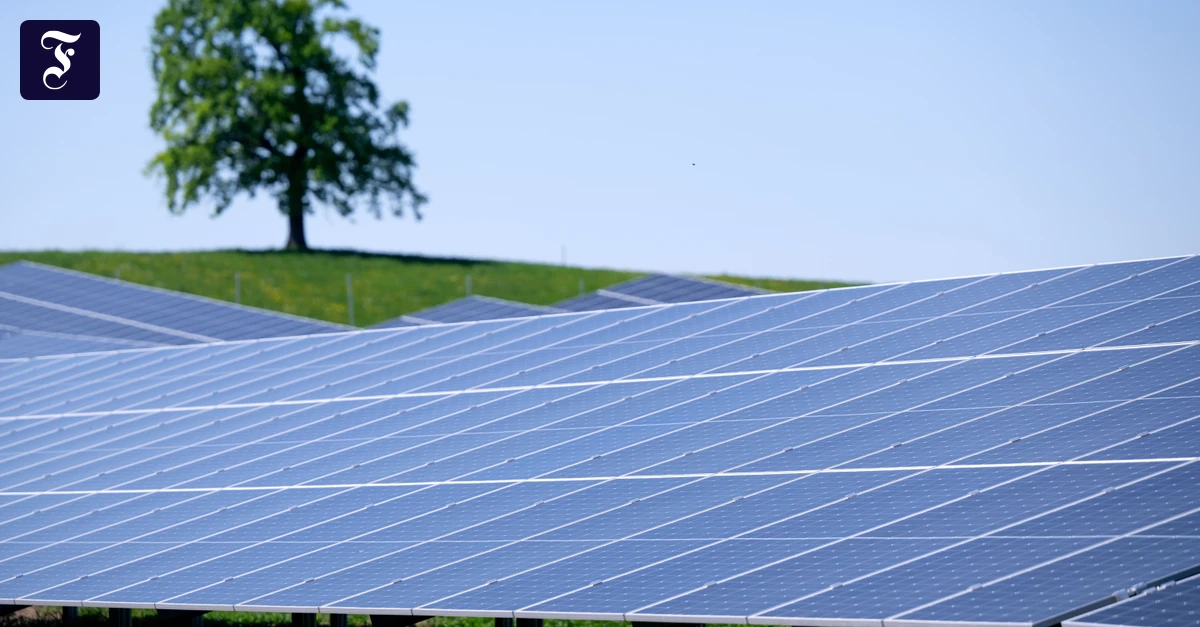
Ferdinand Rammrath works for the chemical company Covestro and wants to test a new type of energy storage device similar to his grandmother's night storage heater. Pictures show a large box, 16 meters wide, 13 meters long and 14 meters high with brick blocks that are heated electrically to up to 1500 degrees when the price of electricity is low. The company wants to use the stored thermal energy to generate superheated steam for chemical production. The storage facility will cover around ten percent of the factory's needs with a capacity of 100 megawatt hours. The manufacturer of the new “Heat Battery” is the American green tech start-up Rondo and Covestro
,regionOfInterest=(646,329)&hash=b0a10391fad20d80e8af26d018b492364ba9e533ac7ce3dc0b48b723124d849e)
The complete set from Kleines Kraftwerk with the brand new Anker SOLIX Solar Bank 4 Pro offers enormous energy reserves for your home. In the shopping deal, the XXL balcony power plant including storage is 870 euros cheaper. The bundle of four 500 Wp solar modules, storage and accessories currently costs 1,799 euros.

HD Hyundai Heavy Industries has signed a cooperation agreement with Malcon to develop Korea-type offshore wind support vessels. Malcon will play a key role in ship design, construction, and commercialisation processes. HD Korea Shipbuilding & Offshore Engineering will be responsible for developing eco-friendly propulsion systems.

Orbital data centers are the most visible expression of that shift. The industry is still working out what that unlocks. Communications, compute, and manufacturing convert orbital energy into a distinct product before it reaches a customer. Grid interconnect queues in the U.S. run up to 10 years in some markets.
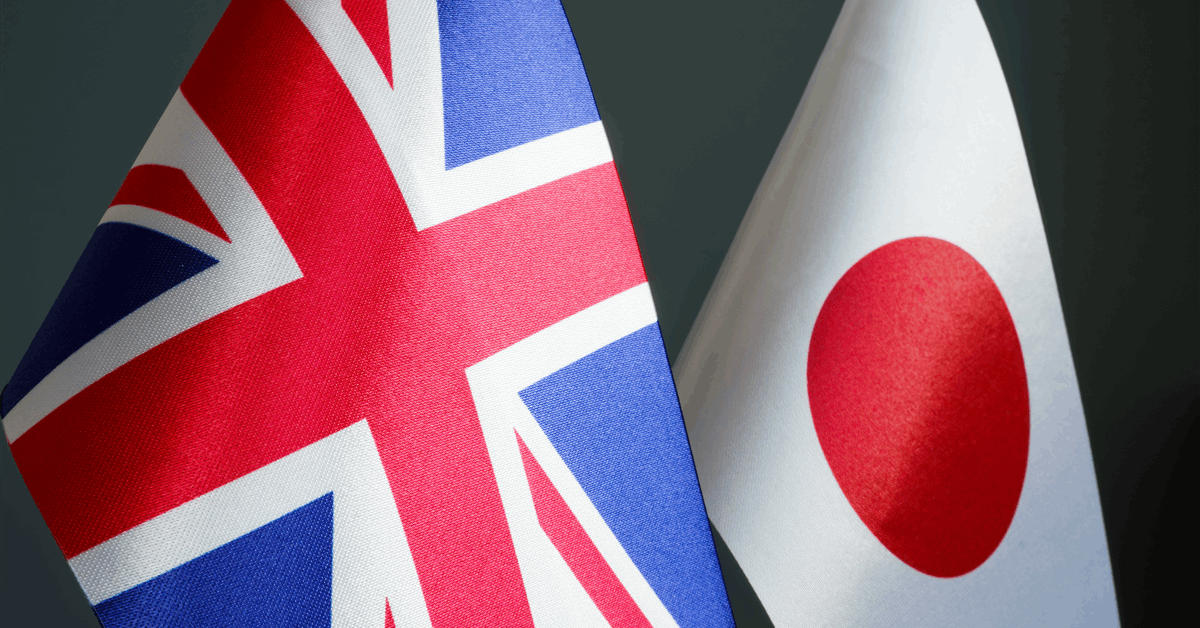
The UK could receive up to GBP 9 billion in investment facilitated by the Japanese government for offshore wind projects. The investment will support the development of 5.9 gigawatts of floating facilities in which Japanese companies own a stake. These include the Ossian and Green Volt projects off Scotland's east coast and the Erebus project in the Celtic Sea.
,regionOfInterest=(1269,632)&hash=182153d06fe7d5dfe839ba5567aa0b42ad41704291ca7cbb294c00c6caca4a23)
As of January 1, 2030, solar systems must be installed on all new residential buildings in Germany. The Building Modernization Act (GmodG) has a number of loopholes to avoid the obligation. Consumers have three main reasons not to install a solar system: technical feasibility, functionality and economy.

Norwegian maritime investment group Eitzen has placed an order for two battery-powered boxships in China. The first vessel is scheduled for delivery in 24 months and the second three months later. The ships will operate on a planned green shipping corridor linking Hamburg, Gothenburg and Oslo, targeting shortsea container flows in the North Sea region.