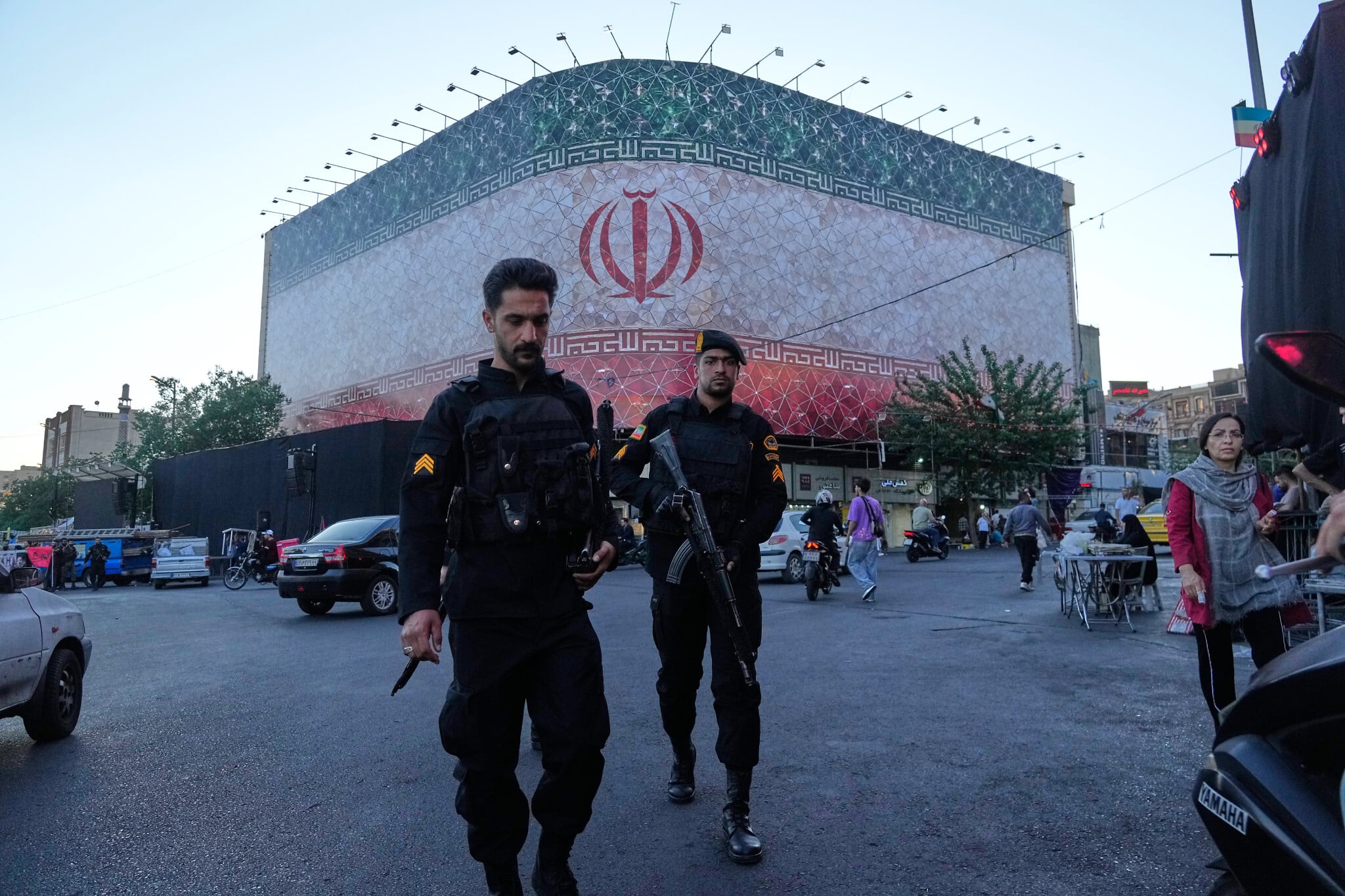
After the war, Iran's theocratic rulers have to manage the competing demands of hardliners and ordinary Iranians. The hardliners want the leadership to take a tough stance in coming talks with the US and prioritize rearming. Ordinary Iranians want any peace dividend or financial relief to be used in raising living standards and offering better prospects after a destructive war.

Arab Gulf states are skeptical about the agreement between the USA and Iran. They are concerned about Iran's nuclear program and the threat posed by Tehran-controlled militias in the region. Saudi Arabia's Foreign Ministry welcomes the Iran-US memorandum of understanding for a ceasefire and agreement to halt military operations. Kuwaiti leadership highlights the importance of non-interference.

Washington and Tehran have signed an agreement with two pillars: reopening the Strait of Hormuz and ensuring the Islamic Republic cannot develop a nuclear weapon. The details of the agreement are yet to be publicized. Washington's failure to publicize the deal means many Iranians are hearing only the regime's side of the story. Janatan Sayeh, born and raised in Tehran, is the Iran analyst at the Foundation for Defense of Democracies.

The agreement between the United States and Iran on a framework agreement is fragile. The relief spread across the financial markets and was accompanied by a fall in oil and gas prices is justified. Any hope that the war will end is economically very important. The conflict exacerbates the difficult fiscal situation in many industrialized countries.

Emirati Foreign Ministry welcomes the announcement of the Memorandum of Understanding between the sides. It affirms the importance of adhering to international law in a manner that enhances security and stability in the region. The ministry commended Trump’s diplomatic efforts and called for “continued progress in negotiations to build upon this progress and achieve sustainable results”

The US-Iran ceasefire agreement announced on Sunday does not instill confidence that the crisis is over. Many in Iran are pessimistic about the long-term resolution of the conflict. The future of Iran's nuclear programme, US sanctions and Tehran's frozen assets are still to be resolved.

The United States and Iran have reached a deal to end their war. The Strait of Hormuz will be re-opened and a signing ceremony will take place in Switzerland on June 19. Oil prices fell and stocks soared on the news. Asian equities surged, led by Tokyo and Seoul.

US President Donald Trump and Iran's Deputy Foreign Minister Kazem Gharibabadi reached an initial deal to end the war and to resume traffic through the Strait of Hormuz. Pakistan's prime minister says the US and Iran will sign a memorandum of understanding in Switzerland on Friday. The content of the agreement remains unclear. The US will release $12bn in frozen assets to Iran before the start of negotiations. The draft deal calls for reopening the Strait within 30 days under Iranian arrangements.

Tokyo's Nikkei 225 gained 5.1%, Seoul's Kospi 5.6%, Australia's S&P/ASX 200 advanced 1.4%, Taiwan's Taiex was up 2.6%. Future for the S&p 500 was up 1%, that for the Dow Jones Industrial Average gained 0.8%. Oil prices fell more than $3 a barrel.