
The Indo-Pacific is entering a period of acute strategic imbalance due to China's rapid military modernization. The region also faces a multi-nuclear threat environment that includes North Korea and Russia. Nuclear deterrence is about credibility, quantity, and quantity. Nuclear alliance offers a faster, more credible way to close the deterrence gap.
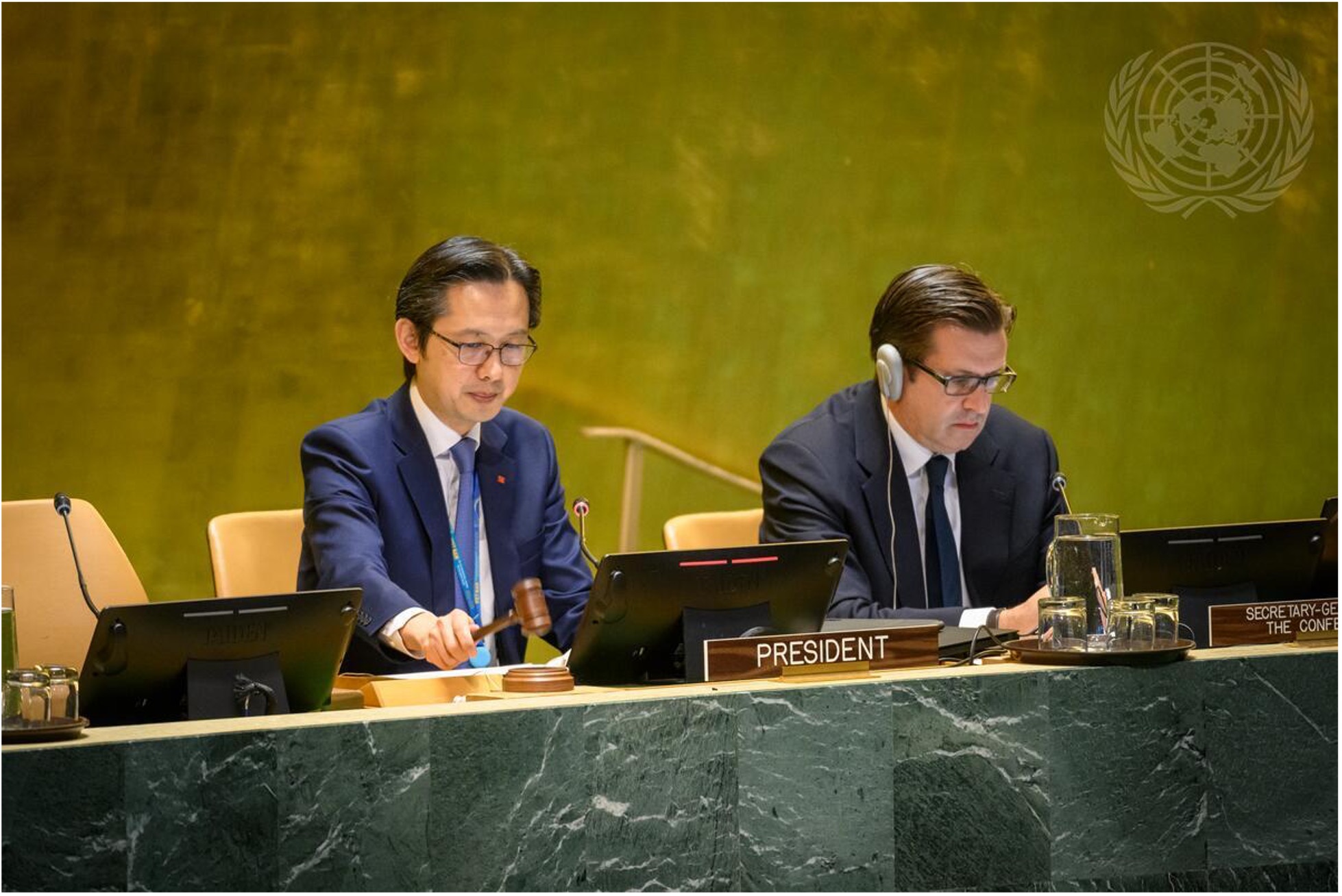
Eleventh Review Conference of the Parties to the Treaty on the Non-Proliferation of Nuclear Weapons (NPT) concluded on May 22, 2026. It was the culmination of four weeks of extensive debates starting on April 27. The final draft weakened much of the language surrounding the obligations of nuclear states.
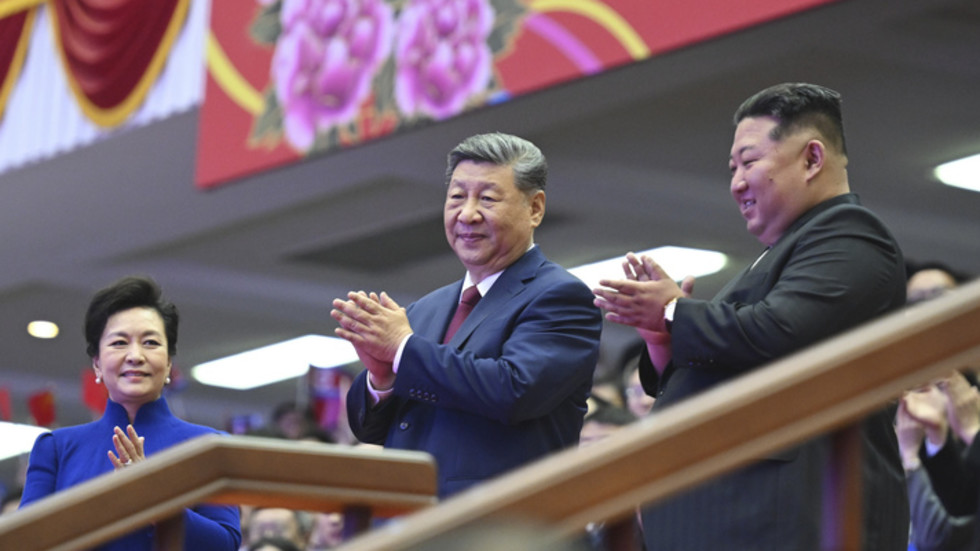
Chinese President Xi Jinping visited North Korea earlier this month. It was his first foreign visit of the year and his third trip to North Korea overall. It took place at a time when the global geopolitical landscape is undergoing profound changes. The most important message from the summit was what remained unsaid. It focused on expanding economic ties and restoring exchanges that were disrupted.

22 countries signed a joint statement accusing Iran of involvement in malign operations on foreign soil. Iran is accused of targeting Iranian dissidents, journalists, Jewish communities, and Western interests across multiple countries. Western governments are concerned about alleged intimidation campaigns, targeted attacks, and security threats affecting diaspora communities and dissidents.

The United States and Iran have reached an interim deal aimed at ending their war and reopening the Strait of Hormuz. There are plans for a signing of the deal on Friday in Switzerland, but previous announcements fell through and what the deal contained remained in dispute Monday.
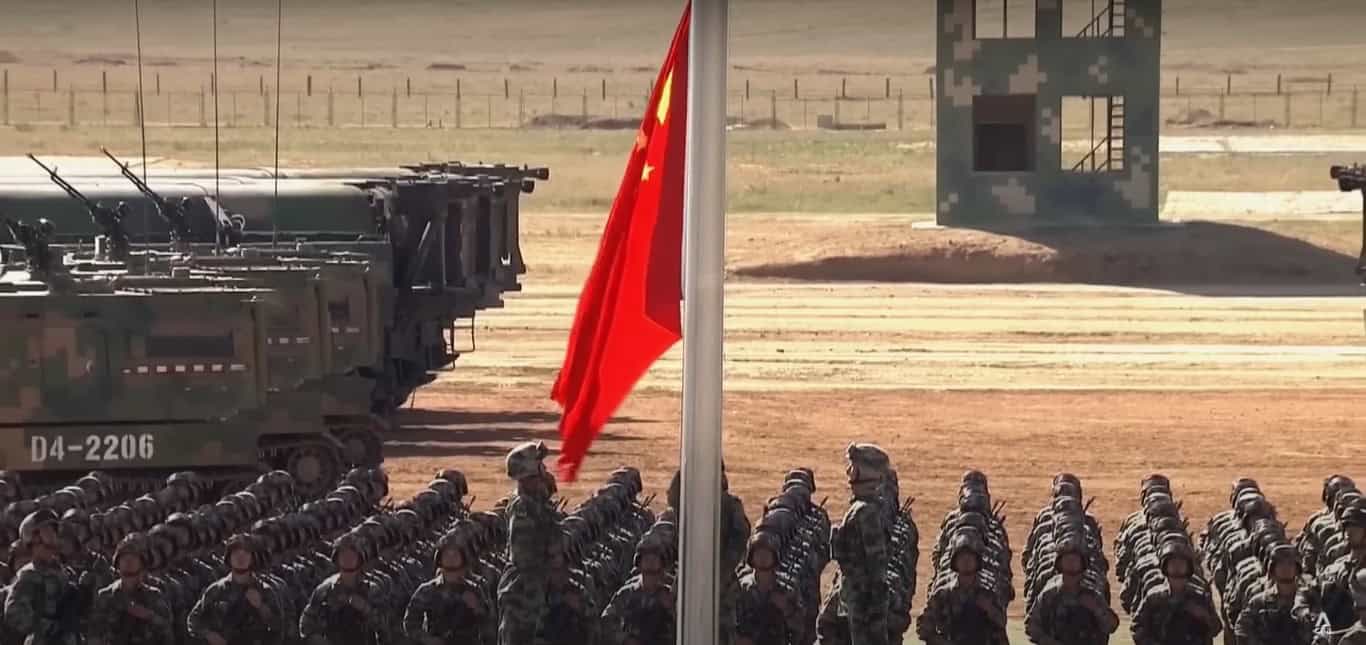
Lowy Institute report says China is capable of direct missile strike on Australia. China condemned the report's "serious strategic misjudgement" on Monday. Foreign ministry spokesperson Lin Jian said China's development of military strength is intended to safeguard national sovereignty, security and development interests. Lin urged institutions to stop hyping up the so-called China threat.

DPRK's Foreign Ministry released two statements on Saturday criticizing an ROK-EU joint statement adopted last week and the latest Nuclear Consultative Meeting between Seoul and Washington. The chief of the External Policy Office said the U.S. and South Korea are “accelerating arms buildup” and threatening regional security.

After nearly 50 years of hostility, sanctions and military threats, Iran and the U.S. have reached a peace agreement. According to reports, the agreement includes the suspension of key economic sanctions, the release of Iranian assets frozen abroad, the gradual lifting of the naval blockade and a US commitment to respect Iran's sovereignty. Iran's missile programme and its support for regional resistance movements have been removed from the agenda.

Russia has incorporated technology from North Korean ballistic missiles into weapons systems it is using against Ukraine, according to Kyiv. Moscow has failed to establish its own mass production of complex electronic components and has to rely on "electronics of North Korean and Western origin," according to the Ukrainian military.
Xi Jinping made his first state visit to North Korea in seven years from June 8-9, 2026. The visit was largely a pro forma exercise intended to re-establish a baseline for engagement rather than to break new ground in Sino-North Korean relations. There was a stark contrast in bilateral relations between Beijing and Pyongyang prior to and after Xi’s last state visit in 2019.