
Afghanistan is situated at the headwaters of major river systems feeding Iran, Pakistan, Uzbekistan, and Turkmenistan. Afghanistan is the mountainous hydro-hub of Central and South Asia. The Taliban administration is moving ahead with its flagship irrigation project, the Qosh Tepa Canal, which will divert up to 15 percent of the Amu Darya to irrigate hundreds of thousands of hectares in northern Afghanistan. Afghanistan's neighbors rely on unregulated river flows, so any unilateral Afghan attempt to develop water infrastructure is perceived as a threat.
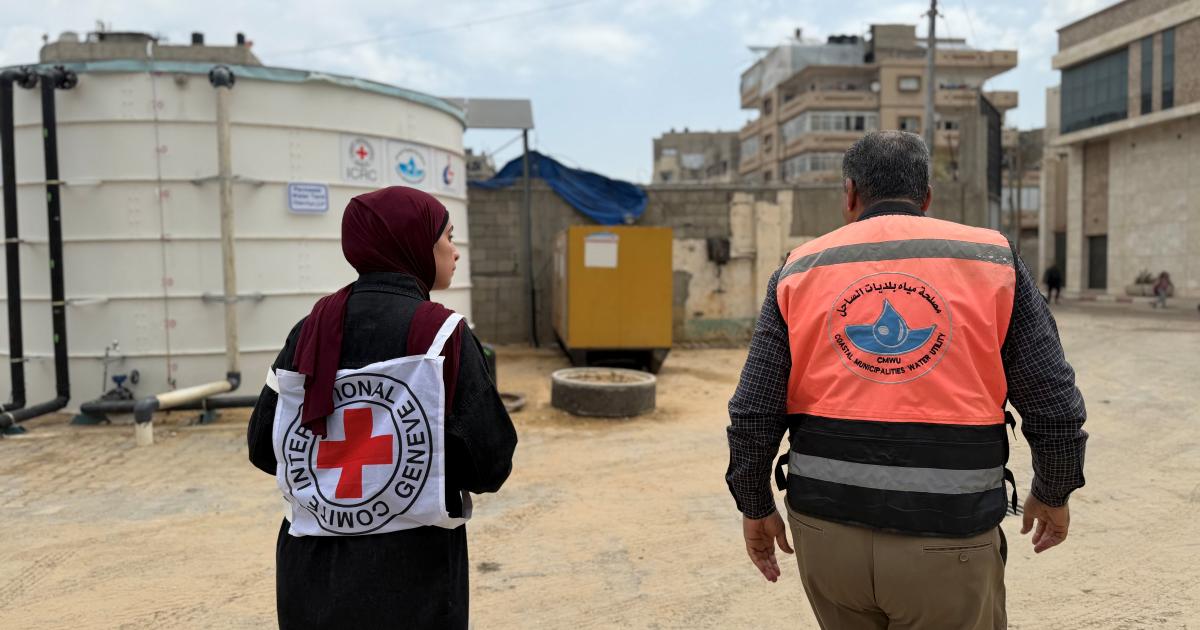
Omar and his colleagues have been working in Gaza for more than two and a half years without any electricity supply to Gaza. They rely on generators instead. The infrastructure to clean, store and distribute water is either damaged or destroyed, or lies in areas where it is not safe for people in Gaza to go. Independent water production in Gaza is less than a third of what it was.
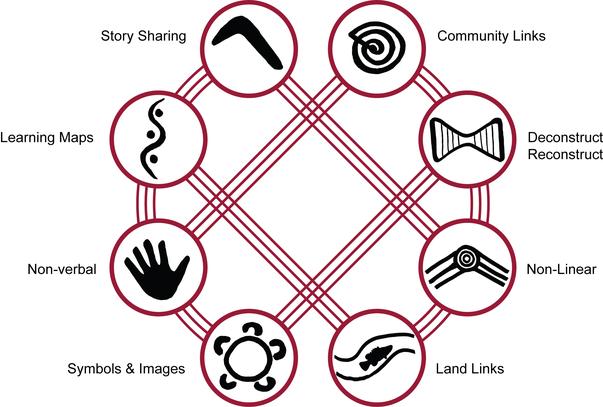
Tyson Yunkaporta is an Indigenous scholar and member of the Apalech clan in far north Queensland, Australia. His new book, Right Story, Wrong Story: Adventures in Indigenous Thinking, argues that identifying and correcting "wrong stories" is key to stopping environmental exploitation. He compares Tidalik to Wall Street firms and billionaires who gamble on water futures and “park their cash” in housing.

In Manhattan’s Union Square, mounted on a building home to a Best Buy and $8,000-a-month one-bedroom apartments, is a public art installation known as the Climate Clock. Between flashes of “Stop Fossil Fuels” and “Protect Earth,” the clock counts down until the world is committed irreversibly to 1.5 degrees Celsius of warming. When the clock was first unveiled in September 2020, the world had about seven years and 100-odd days to act. Now it's three years and 156 days.
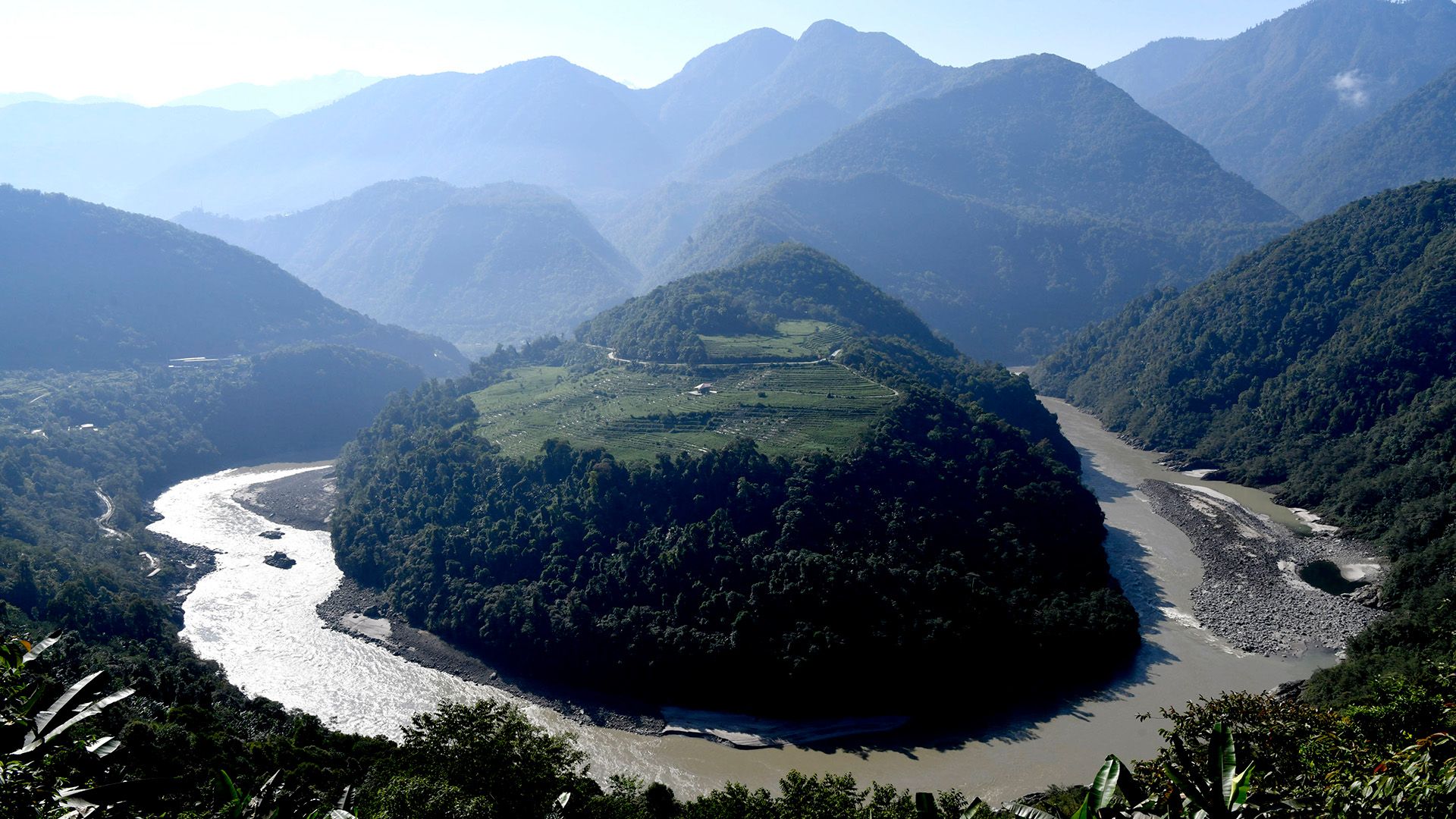
Tibetan Plateau is the source of most of Asia's major rivers, including the Yellow, Yangtze, Yarlung Tsangpo (Brahmaputra), Lancang (Mekong) and Grand Canyon (Grand Canyon) rivers. China is trying to tap the region's vast potential for generating hydropower. The Motuo megadam project on the Yarlng Tsang Po River is estimated to cost up to $168 billion. It will be completed in less than a decade and will be three times the output of the Three Gorges Dam on the Yangtse River. The project comes with risks for both people in Tibet and people
Mariana Mazzucato has written The Common Good Economy: A New Compass. She argues that today’s environmental and social crises stem from an economy that is organized around extraction and shielded from democratic accountability. The book challenges the dominant narratives of power and value that many of us have internalized through the framework of neoclassical economics.
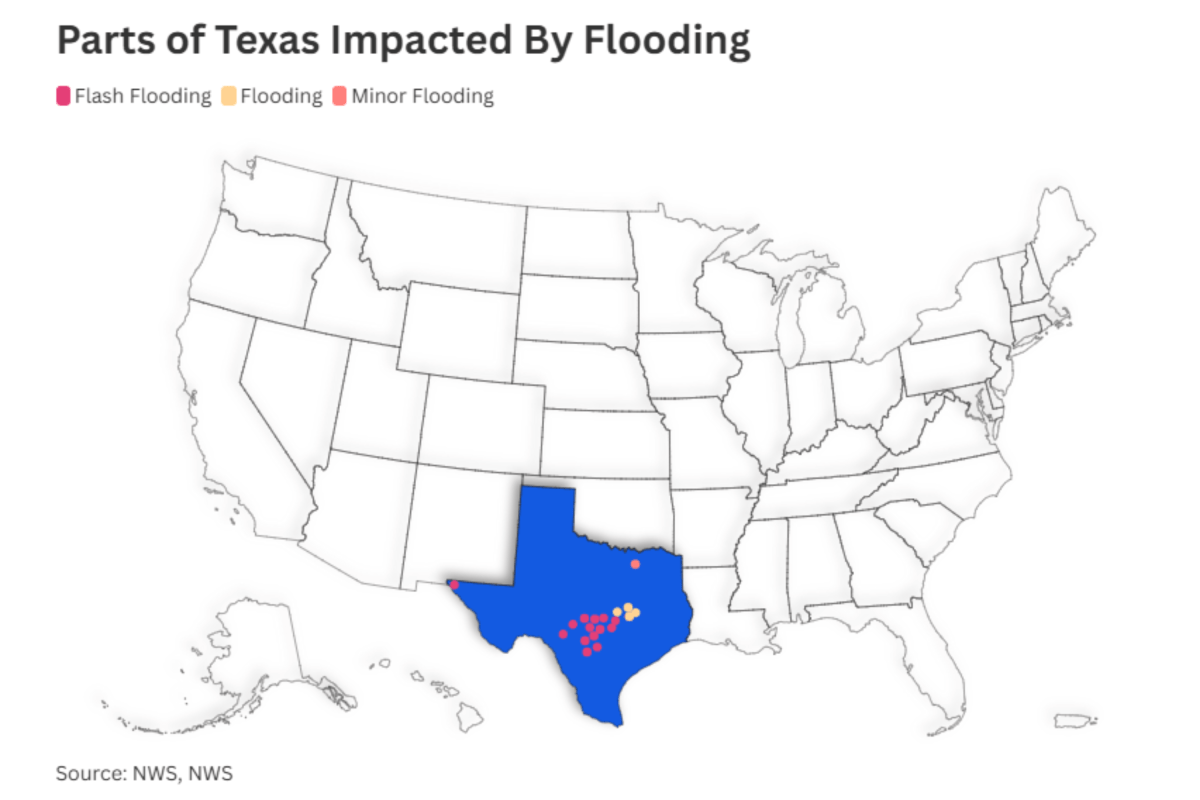
Large areas of Texas are under flood and flash flood warnings due to heavy rain. Flood warnings cover South-Central Texas, including Austin and San Antonio. Flash flood warnings are in place until early Monday morning in parts of central, east-central, and far western Texas. The NWS warns that the flooding could affect both urban and rural areas.